

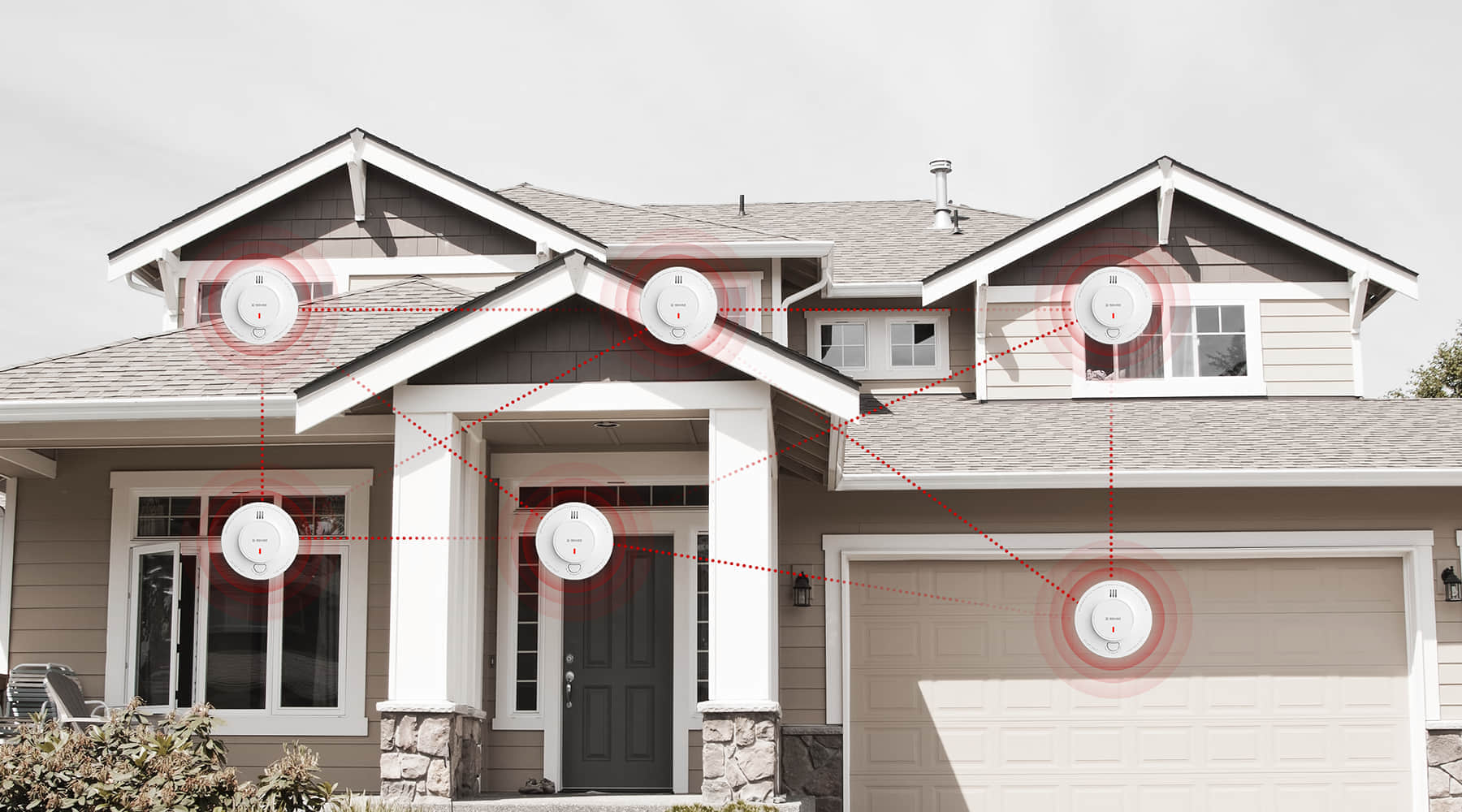
Practical home safety guidance highlights smoke alarm installation, routine maintenance, fire prevention habits, and emergency planning to help households reduce everyday risks.
WILMINGTON, Del., Nov. 25, 2026 — X-SENSE is sharing essential home fire safety guidance to help homeowners identify common household fire hazards, maintain smoke alarms, and prepare for emergencies. While many residential fires begin with everyday activities such as cooking or using electrical equipment, practical preventive measures can help reduce risks and improve household preparedness.
Home fire safety involves more than installing detection equipment. Proper alarm placement, regular inspections, safe appliance use, and a clear evacuation plan all contribute to creating a safer living environment.
Install Smoke Alarms in the Right Locations
Smoke alarms are among the most important safety devices in a home. They are designed to detect smoke and provide an audible warning when a fire may be developing, giving occupants valuable time to escape.
According to the U.S. Fire Administration, smoke alarms should be installed inside every bedroom, outside each separate sleeping area, and on every level of a home, including basements.
Because smoke rises, alarms are generally positioned on ceilings or high walls according to the manufacturer’s installation instructions.
Homeowners should avoid placing devices too close to cooking appliances, bathrooms, heating vents, or ceiling fans, where steam, cooking fumes, or airflow may interfere with normal operation.
When selecting a smoke detector, residents should consider the layout of their property, the number of sleeping areas, and whether additional devices are necessary for adequate coverage.
Consider Interconnected Smoke Alarms for Larger Homes
In multi-level homes, a smoke alarm sounding in one area may not be heard clearly in another, especially when doors are closed or family members are sleeping.
Interconnected smoke alarms help address this concern by allowing compatible devices to sound together when one detects smoke.
X-SENSE SD19-W wireless interconnected smoke alarm uses photoelectric smoke detection and wireless interconnection to provide audible warnings across connected units.
The device includes a sealed lithium battery with a stated service life of up to 10 years and does not require Wi-Fi connectivity for its wireless alarm network.
This type of system may be particularly useful in properties with multiple bedrooms, separate living areas, or several floors.
However, interconnected alarms should be installed according to manufacturer instructions, and homeowners should confirm compatibility before connecting different devices.
Test and Maintain Smoke Alarms Regularly
Installing smoke alarms is only the beginning of maintaining reliable household protection.
The U.S. Fire Administration recommends testing alarms at least once a month using the test button.
Residents should respond promptly to low-battery warnings, unusual chirping, or signs that a device is malfunctioning.
Dust and debris may accumulate around alarm openings over time. Gentle cleaning according to the manufacturer’s instructions can help prevent buildup that may affect performance.
Smoke alarms also have a limited service life and generally require replacement after 10 years, or sooner if specified by the manufacturer.
Homeowners should check the manufacturing date printed on each device and replace aging units when necessary.
Reduce Common Kitchen Fire Hazards
Cooking is a major source of residential fire risk, making kitchen safety an important part of everyday prevention.
Unattended cooking, overheated oil, and combustible materials placed near burners can create dangerous conditions.
Residents should remain nearby when frying, grilling, or cooking at high temperatures. Towels, paper products, and other flammable items should be kept away from active cooking surfaces.
Stove burners should be turned off after use, and cooking equipment should be kept clean to prevent grease buildup.
In the event of a small cooking fire, occupants should follow appropriate fire safety guidance rather than attempting unsafe measures that could cause flames to spread.
Check Electrical Equipment and Heating Appliances
Electrical equipment and household heating systems also require regular attention.
Damaged power cords, overloaded electrical outlets, and improperly used extension cables may increase fire risks.
Residents should replace damaged electrical equipment, avoid connecting multiple high-power appliances to the same outlet, and seek professional assistance when outlets become unusually warm or show signs of damage.
Portable space heaters should be positioned at least three feet away from curtains, bedding, furniture, and other combustible materials.
Heating appliances should never be left operating unattended when their instructions require supervision.
Regular servicing by qualified professionals can also help identify problems with household heating equipment.
Practice Safe Habits Throughout the Home
Simple household habits can help prevent avoidable emergencies.
Candles should be placed in sturdy holders, away from curtains and other flammable materials, and extinguished before leaving a room or going to sleep.
Matches and lighters should be stored securely away from children.
Homeowners should also keep exits, hallways, and stairways free from clutter that could delay evacuation.
Households with fireplaces or fuel-burning appliances should ensure that chimneys, vents, and heating systems receive appropriate maintenance.
These routine precautions are particularly important during colder months when heating equipment may be used more frequently.
Develop and Practice a Home Fire Escape Plan
Working smoke alarms provide an early warning, but every household also needs an emergency response plan.
Family members should identify two possible escape routes from each room where practical and establish a designated meeting point outside the property.
Escape routes should remain clear, and everyone should understand what to do when an alarm sounds.
The U.S. Fire Administration recommends practicing home fire escape plans at least twice a year.
If fire or smoke is present, occupants should leave immediately, avoid returning for belongings, and contact emergency services from a safe location.
A combination of properly installed alarms, regular maintenance, preventive habits, and emergency planning can help homeowners create multiple layers of protection.
Taking time to review household safety measures today may make a critical difference during an unexpected emergency.
About X-SENSE
Founded in 2013, X-SENSE has safeguarded more than 15 million households worldwide with its comprehensive range of smoke alarms, carbon monoxide detectors, and environmental sensors. Backed by international certifications and designed with long-term reliability and user convenience in mind, X-SENSE continues to develop practical safety solutions for homes around the world.
Media Contact
Company Name: X-SENSE ELECTRONICS LLCContact Person: MartinEmail: partners@x-sense.comWebsite: https://www.x-sense.com/State/Country: Delaware, United States