
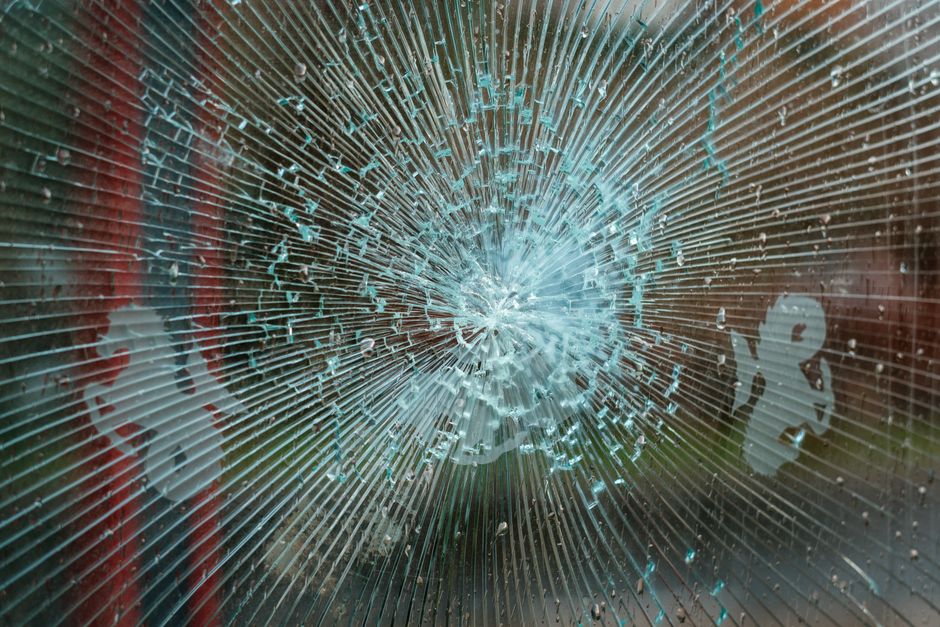
A cracked window is easy to ignore while the pane is still in one piece. Even a small fracture weakens the glass, lets in moisture, and can spread with changes in temperature or pressure. For homeowners, the first question is usually whether the crack can be fixed or whether the pane needs to come out. SOS Glass Services, serving the Kogarah area, notes that broken glass should be treated as a safety hazard first, with the property secured until a permanent replacement is in place.
Can Window Glass Actually Be Repaired?
Most household windows cannot be repaired in the way people often expect. Many older homes use annealed glass, also called float glass, which tends to crack in long lines that keep growing over time. Resins and adhesives sold for glass repair may disguise a crack, but they do not restore the strength of the pane, and the fracture usually remains visible.
Toughened glass cannot be repaired at all. It is designed to break into small, blunt fragments, and damage near the edge can cause the whole sheet to fail without warning. Laminated glass holds together when cracked because of its plastic interlayer, although the pane has still lost much of its strength and clarity. In practice, repairing a cracked window almost always means replacing the damaged pane while keeping the existing frame.
Why a Cracked Pane Should Not Be Left Alone
A crack concentrates stress in one area of the glass. A slammed door, a strong gust of wind, or routine cleaning can be enough to turn a hairline fracture into a full break, leaving sharp edges in a living space. Cracks also break the seal that keeps out water and drafts, which can damage frames and sills and make rooms harder to heat or cool. In double-glazed windows, a crack in either pane compromises the sealed unit, often leading to condensation between the layers. A damaged window is also easier to force open, which weakens the security of the home.
Temporary Steps Before the Glass Is Replaced
If a crack is stable, clear tape applied across both sides of the pane can help hold it together for a short period. Avoid opening or closing the window, and keep children and pets away from the area. Wear thick gloves and eye protection if any loose fragments need to be moved. Where glass has shattered, or the opening is exposed, the property should be made safe with secure temporary covering until the replacement can be fitted. Tape and plastic sheeting are short-term measures only and should not be treated as a fix.
What Influences the Cost of Replacement
Replacement costs vary from one job to the next, so it is more useful to understand the factors involved than to rely on a single price. The size and thickness of the pane matter, as does the type of glass. Standard float glass is generally the least expensive, while toughened, laminated, and double-glazed units cost more to produce and install.
The frame also plays a part. Older timber frames may need new putty or beading, and upper storey windows can take longer to access. Safety requirements can influence the choice too. Australian Standard AS 1288 calls for safety glass in certain locations, such as doors, panels beside doors, low windows, and bathrooms, so an older pane may need to be upgraded rather than matched. Many home insurance policies include coverage for accidental glass breakage, so it is worth checking the policy before arranging work.
Weighing a Short-Term Fix Against a New Pane
A cracked pane rarely improves with time. The longer it stays in place, the more likely it is to break suddenly or cause water damage around the frame. Replacement also lets you choose glass that offers better security, noise reduction, or privacy than the original. Obscure glass suits bathrooms, while laminated options add a layer of protection against forced entry. The team at SOS Glass Services generally recommends assessing the full frame condition during any replacement and treating it as a good moment to upgrade to a type better suited to the space.
FAQ
Will a cracked window eventually break?
Yes. Temperature swings, pressure, and vibration will spread even a small crack over time. It’s not a matter of if, but when.
How big of a window crack can be repaired?
Cracks under 12 inches are usually repairable. Anything longer, or cracks that reach the edge of the glass, typically call for a full replacement.
What is the best way to fix a cracked window?
For small cracks, a glass repair resin kit works well. Apply it to a clean surface and let it cure. For larger or more complex cracks, a professional glazier is the safer call.
SOS Glass Services Pty Ltd
34 Verdun Street
Bexley
NSW
2207
Australia


