Key Takeaways
- A missing tooth triggers jawbone loss quickly, gradually changing your facial structure over time.
- Dental implants are the only replacement option that stimulates the jawbone the way a natural root does.
- Ignoring a damaged tooth can contribute to serious health issues beyond your mouth.
- With proper care, the implant post itself can last a lifetime.
- Not everyone qualifies immediately, but preparatory procedures like bone grafting can make implants possible for more patients.
Most people only notice the gap in the mirror when a tooth goes missing — but beneath the gumline, the damage starts immediately. The bone that once supported that tooth begins to shrink because it no longer receives the stimulation it needs, and by the time most people notice the effects, significant damage has already occurred, says a Kilchberg-based expert from Swiss Dental Health.
The real problem isn’t just the missing tooth itself — it’s everything that follows when the gap gets ignored for too long. Understanding what’s actually at stake, and what your options genuinely look like, changes how you approach this decision entirely.
What a Missing Tooth Actually Does to Your Body
Leaving a missing tooth untreated sets off a chain reaction that most people don’t see coming. Neighboring teeth begin drifting toward the gap, quietly misaligning your bite over time, while the jawbone underneath deteriorates without a root to stimulate it. The gap also becomes difficult to clean properly, creating the right conditions for bacteria to thrive and infection to set in.
What makes this especially concerning is that the damage rarely stays confined to your mouth. Dental bacteria entering the bloodstream through inflamed gum tissue have been linked to increased risk of type 2 diabetes complications, heart disease, chronic kidney disease, and respiratory illnesses. Gum disease has also been shown to raise blood sugar levels — a difficult cycle for anyone already managing diabetes — and the longer a damaged tooth goes untreated, the more that cycle worsens.
Why Dental Implants Are Important
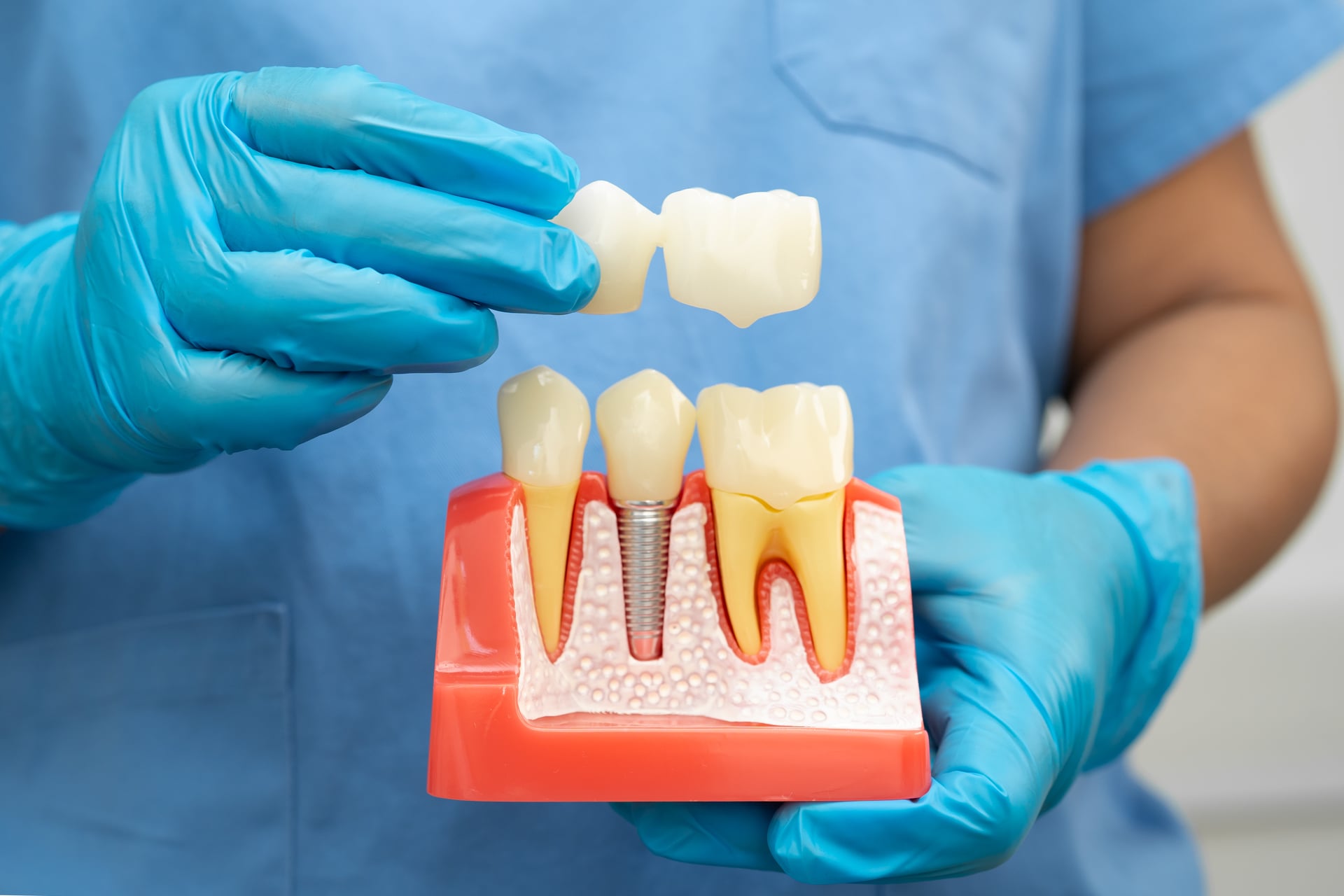
When a tooth is lost, the jawbone beneath it loses the stimulation it needs to stay dense, and deterioration begins almost immediately. Dental implants solve this at the source by placing a titanium post directly into the jawbone where the root once was — and over the following months, the bone grows around and fuses with it through a natural process called osseointegration. No other tooth replacement option does this, which is what sets implants apart from everything else available.
Beyond the bone, implants restore full function in a way that feels completely natural. Because the post anchors directly into the jaw, the crown attached on top doesn’t shift, slip, or require special maintenance — it behaves exactly like a natural tooth during eating, speaking, and daily life. Dentures and bridges simply can’t replicate this level of stability, and over time, their limitations become more noticeable.
From a long-term health perspective, implants are also the most protective choice for the teeth surrounding the gap. Unlike a bridge, which requires filing down healthy neighboring teeth for support, an implant stands entirely on its own — leaving adjacent teeth untouched and structurally sound. That distinction matters more than most people realize when thinking about overall oral health over the coming decades.
Key Benefits of Dental Implants
Prevents Jawbone Loss
Implants are the only replacement option that stimulates the jawbone the way a natural root does, actively preventing the bone loss that follows tooth loss. Without this stimulation, the jaw shrinks and the face can take on a sunken appearance over time.
Restores Natural Function
Because implants anchor directly into the bone, eating, speaking, and laughing all feel completely normal again — no slipping, no clicking, no adjusting. Patients regain full confidence in daily activities without giving their teeth a second thought.
Protects Surrounding Teeth
Unlike a dental bridge, implants don’t rely on neighboring teeth for support, so those teeth remain unaltered and structurally intact. This makes implants the more protective long-term choice for your overall oral health.
Long-Lasting Results
The titanium post component of a dental implant can last a lifetime with proper care, making it the most durable tooth replacement available. The crown on top may eventually need replacing, but the implant itself stays firmly in place.
Easy to Maintain
Implants require no special soaking solutions or nightly removal routines — they’re brushed and flossed exactly like natural teeth. Combined with regular dental checkups, maintaining an implant is genuinely straightforward.
Improves Appearance and Confidence
Custom-made crowns are matched to the color, shape, and size of surrounding teeth, making the restoration virtually indistinguishable from a natural tooth. Restoring a complete smile has a meaningful effect on self-confidence and overall quality of life.
Supports Overall Health
Replacing a missing tooth with an implant eliminates the source of potential infection and reduces the risk of the systemic health complications linked to untreated dental damage. It’s as much a health decision as it is a dental one.
Preserves Facial Structure
By maintaining jawbone density, implants help preserve the natural contours of your face over time. Patients who address tooth loss early are far less likely to experience the structural facial changes that come with prolonged bone deterioration.
What Happens When You Don’t Get Dental Implants
Your Jawbone Starts to Shrink
Without a root stimulating the bone, deterioration begins within the first year of tooth loss and continues progressively. Over time, this changes the structure of your jaw and the overall shape of your face.
Neighboring Teeth Begin to Shift
The gap left by a missing tooth creates space that surrounding teeth naturally drift toward, gradually disrupting your bite alignment. Left uncorrected, this misalignment can affect how you chew and place uneven pressure on other teeth.
Infection Risk Increases
Gaps are difficult to clean thoroughly, making them easy entry points for bacteria to accumulate and cause gum disease or abscess. Once infection takes hold, it can spread beyond the mouth and contribute to serious systemic health conditions.
The Treatment Becomes More Complex
The longer tooth loss goes unaddressed, the more bone and gum tissue is lost — meaning that by the time someone decides to act, additional preparatory procedures like bone grafting may be required. Early treatment is almost always the simpler and more cost-effective path.
Are You Actually a Candidate for Dental Implants?
Not every patient is immediately ready for implant placement, and a thorough evaluation is the only way to know where you stand. Bone density, gum health, and overall medical history all play a role in determining whether the procedure can go ahead or whether preparatory work is needed first. The good news is that most obstacles, including insufficient bone, can be addressed before moving forward.
Several factors affect eligibility in ways worth understanding before your consultation:
- Active gum disease must be fully treated before implant placement can begin
- Sufficient jawbone density is essential for the post to anchor securely
- Smoking significantly slows healing and reduces long-term success rates
- Uncontrolled health conditions like diabetes can complicate the recovery process
Once any preparatory treatment is complete, the implant process itself is straightforward — placement under local anesthesia, a healing period of several months for osseointegration, and then attachment of the permanent crown. From that point on, the restoration functions like a natural tooth in every practical sense, and the investment made in getting there tends to pay off for decades.
Choosing the Right Dental Implant Professional
The success of a dental implant depends as much on the professional placing it as it does on the procedure itself. A qualified specialist will carry out a detailed assessment before recommending any treatment, use imaging technology to evaluate bone density accurately, and walk you through every stage of the process with transparency. Asking about their experience with implant placement, the systems they use, and how they handle complications gives you a reliable picture of whether they’re the right fit.
Beyond qualifications, the right professional treats the decision with the seriousness it deserves, not rushing toward a recommendation, but helping you understand your full range of options first. If you’re looking for that kind of thorough, patient-centered care, a trusted dental specialist who takes time to assess your individual situation is where that process should start.
Zahnarzt Kilchberg Dr. Jens Tartsch
1 Weinbergstrasse
Kilchberg
ZH
8802
Switzerland