
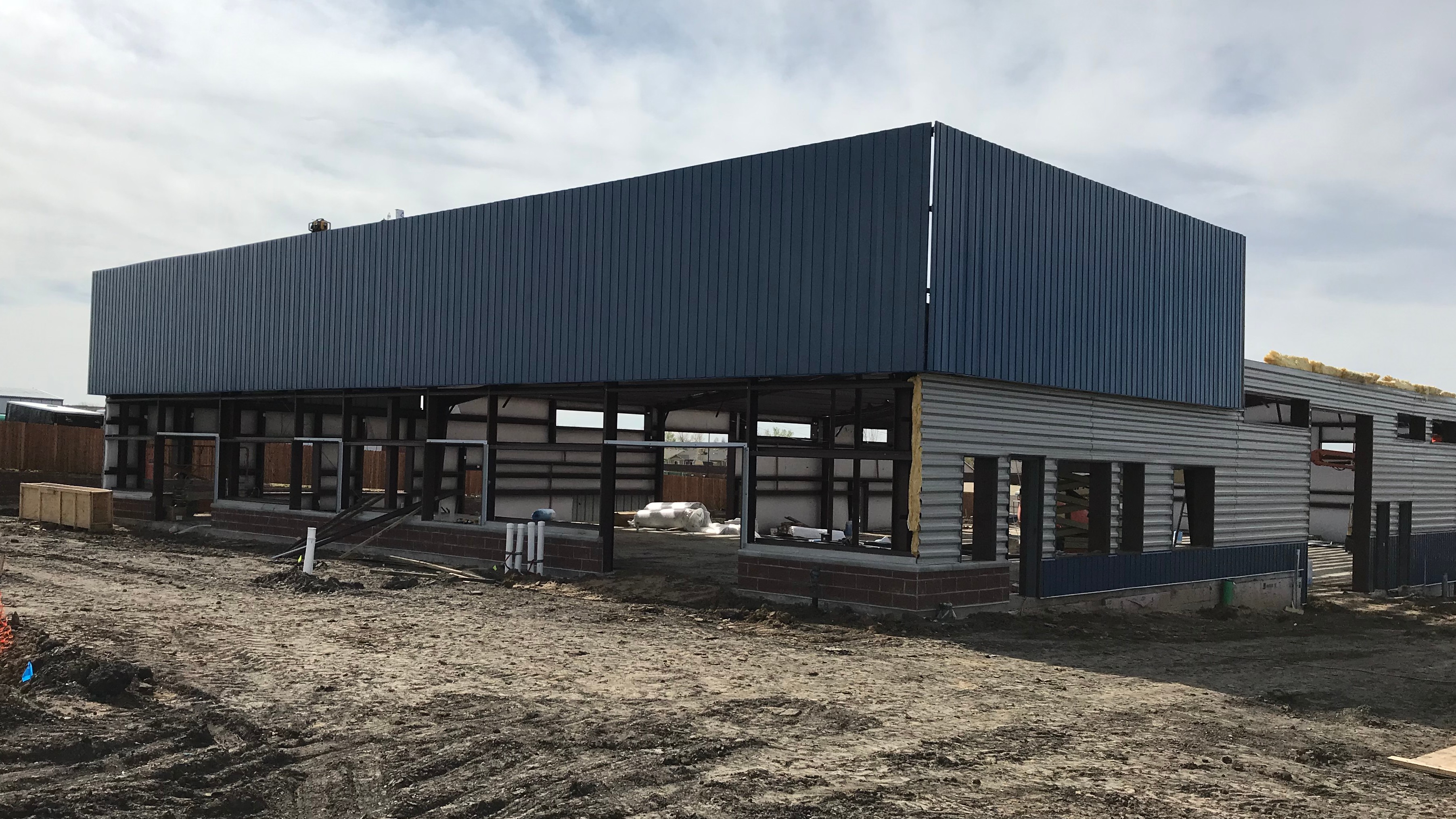
Key Takeaways
- Metal cladding is one of the most durable exterior solutions available for buildings in Colorado, standing up to hail, high winds, UV exposure, and fire risk.
- Insulated metal panels (IMPs) reduce HVAC demand and can contribute to LEED certification, making them a smart fit for energy-conscious developers.
- While metal cladding earns the highest hail impact rating (Class 4), some Colorado insurance policies exclude cosmetic-only hail damage, a detail worth reviewing before committing.
- The long-term ROI on metal cladding, factoring in reduced maintenance, energy savings, and property value gains, makes it a compelling investment over traditional exterior materials.
Fort Collins isn’t a forgiving environment for buildings. Between spring hailstorms, intense UV at elevation, and wide temperature swings, the exterior envelope of any property takes a beating year-round. That’s driven a noticeable shift among local developers toward exterior systems that can genuinely handle those conditions, and metal cladding keeps rising to the top of that conversation.
Colorado’s Climate Demands More From Your Exterior
Northern Colorado sits at a unique intersection of weather extremes. Summer afternoons can spike well past 90°F, while winter nights push well below freezing. Add in the Front Range’s notorious hailstorm season and sustained winds off the foothills, and most traditional exterior materials, like wood siding, EIFS, and standard fiber cement, can start showing their limitations sooner than metal cladding.
Metal cladding was built for exactly this kind of punishment. The combination of engineered panel systems, protective coatings, and non-combustible substrates gives building owners a material that holds its structural integrity and appearance through seasons that would degrade softer alternatives. Building professionals consistently note that metal siding’s ability to stand up to hail, wind, sun, and fire is what makes it a preferred choice for property owners thinking beyond the next five years. According to the Fort Collins specialists at Veltri Steel, those long-term performance factors are front and center across Rocky Mountain region projects.
Curb Appeal That Works as Hard as Your Brand
There’s a practical reality for properties: the exterior is the first impression. For offices, retail centers, medical facilities, and mixed-use developments, the facade communicates something about the business inside before a single door opens.
Finish Options That Set Buildings Apart
Metal cladding systems offer a range of finishes, like brushed, polished, embossed, and powder-coated, that traditional materials simply can’t replicate. These aren’t purely cosmetic choices. Powder-coated finishes resist UV-driven fading far better than painted concrete or wood, keeping a building looking sharp without the repainting cycles that drive up operational costs over time.
Brand-specific colors and custom patterns can be integrated directly into the panel system, letting companies embed their visual identity into the architecture itself. For high-profile lobbies and primary facades, that kind of precision makes a real difference in how tenants, clients, and visitors perceive the property.
Custom Shapes for Complex Designs
Modern fabrication techniques allow metal panels to wrap around curves, fit intricate angles, and accommodate atypical structural geometries that would be costly or impossible to execute cleanly in other materials. That design flexibility makes metal cladding a strong fit for architecturally distinctive buildings that stand out in a growing market like Fort Collins, well beyond straightforward rectangular facades.
Energy Efficiency Built Into the Walls
Thermal Insulation and HVAC Savings
One of the less-obvious benefits of metal cladding is what happens behind the panels. Insulated metal panels (IMPs) incorporate rigid insulation directly into the panel assembly, significantly lowering the U-value of the building envelope. That translates into a reduced thermal load; the building stabilizes indoor temperatures more effectively, putting less strain on HVAC systems and cutting utility costs in the process.
In Colorado’s climate, where heating and cooling demands are both substantial, that thermal performance is a meaningful line item on the operating budget. Light-colored or reflective metal surfaces add another layer of benefit in summer, minimizing solar heat gain and keeping interiors cooler without additional mechanical load.
LEED Certification Potential
Metal cladding supports green building goals in several ways that matter for LEED certification. Aluminum and steel are among the most recyclable construction materials available, and many panels are manufactured with significant recycled content. Combined with the energy performance gains from IMPs, metal cladding systems can contribute meaningfully to a project’s sustainability scorecard, an increasingly important factor for commercial tenants and institutional buyers.
Durability That Outlasts Northern Colorado Weather
Hail, Wind, and UV Resistance
Metal cladding panels typically achieve a Class 4 impact rating, the highest rating available under hail impact testing standards. That’s a meaningful designation in Colorado, where large hail events cause significant property damage every year. Metal panels are also engineered to resist sustained high winds and prolonged UV exposure without warping, cracking, or fading in the way softer materials do.
One important caveat for Colorado property owners: while Class 4 panels hold up structurally in most hail events, severe storms can still cause cosmetic denting. Some Colorado insurance policies explicitly exclude cosmetic-only hail damage from coverage. Before selecting metal cladding, or any metal roofing, a careful review of current policy terms is worth the time to understand what’s actually covered and what isn’t.
Fire Safety Advantages
Aluminum and steel are inherently non-combustible materials. That’s a fundamental property of the material itself, not a coating or a treatment. Most premium metal cladding systems are tested against international fire safety codes and regional building regulations, making them a strong choice for stairwells, exit corridors, and high-risk facade areas where fire resistance is both a code requirement and a liability consideration.
Low Maintenance, High Returns
Minimal Upkeep Costs Over Time
The smooth surfaces of metal panels naturally resist staining, biological growth, and pollutant adhesion. Routine cleaning typically requires nothing more than mild detergent and water. High-quality protective finishes prevent discoloration and fading, which means no repainting cycles, a significant operational cost savings for large commercial facilities like hotels, medical campuses, or multi-tenant office buildings where exterior maintenance budgets add up quickly.
Metal cladding also resists corrosion, rust, and pest intrusion, failure modes that regularly require expensive remediation in wood or fiber cement systems.
Property Value and ROI
The financial case for metal cladding goes beyond maintenance savings. Commercial metal exterior systems are associated with recouping a significant portion of their installation cost in resale value; industry estimates suggest a range of roughly 60-85% cost recovery on metal exterior investments, alongside long-term savings from lower energy bills and reduced upkeep. For investors and developers focused on total cost of ownership rather than just the upfront number, that math tends to look favorable over a 20- to 30-year horizon.
Beyond the numbers, premium metal cladding signals quality to prospective tenants and buyers. A well-executed facade raises perceived property value in ways that are harder to quantify but very real in competitive leasing and sales environments.
Metal Cladding Is a Smart Long-Term Investment
When the full picture comes together – durability against Colorado’s demanding weather, meaningful energy savings from insulated panel systems, low maintenance requirements, fire safety compliance, and design flexibility that strengthens a building’s identity – metal cladding stands out as one of the strongest long-term investments available to property owners in the Fort Collins area. The upfront cost is real, but so is the payoff: a building envelope that performs reliably for decades, holds its appearance, and supports rather than erodes the property’s value over time.
Veltri Steel, LLC.
PO Box 5393
Greenwood Village
CO
80155
United States


